How Weather Exposure Affects Stone Masonry Structures
People seeking stone masonry repair aim to fix weather-related damage, and local service providers can assess and restore structures affected by weather exposure.
Understanding how weather exposure affects stone masonry structures is essential for property owners who want to preserve the integrity and appearance of their buildings. Over time, elements like rain, snow, temperature fluctuations, and wind can lead to deterioration, cracking, or staining that compromises the stability of stone features. Residents and property managers in the area may find it valuable to explore this topic to better recognize early signs of damage and determine when professional repair services might be needed to maintain their structures’ longevity.
Local contractors specializing in stone masonry repair are equipped to address weather-related issues that impact stonework. Whether it’s restoring a historic façade or reinforcing outdoor stone features, these experts can assess how weather exposure has affected the structure and recommend appropriate solutions. Continuing to learn about the effects of weather on stone masonry can help property owners make informed decisions about maintenance and preservation efforts, ensuring their structures remain durable and visually appealing for years to come.
- Stone Masonry Repair - Homeowners noticing cracks or deterioration in outdoor stone structures due to weather exposure can rely on local contractors to assess and restore the integrity of the masonry.
- Stone Masonry Restoration - When freeze-thaw cycles cause stone surfaces to spall or flake, local pros use specialized techniques to repair damage and prevent further weather-related deterioration.
- Stone Cleaning and Sealing - After prolonged exposure to moisture and dirt, local service providers can clean and seal stone surfaces to protect against future weather damage.
- Masonry Repointing - Deteriorated mortar joints resulting from moisture infiltration are addressed by local contractors who perform repointing to reinforce the structure’s resistance to weather effects.
- Structural Stabilization - In cases where weather exposure has compromised the stability of stone structures, local pros implement stabilization methods to maintain safety and durability.
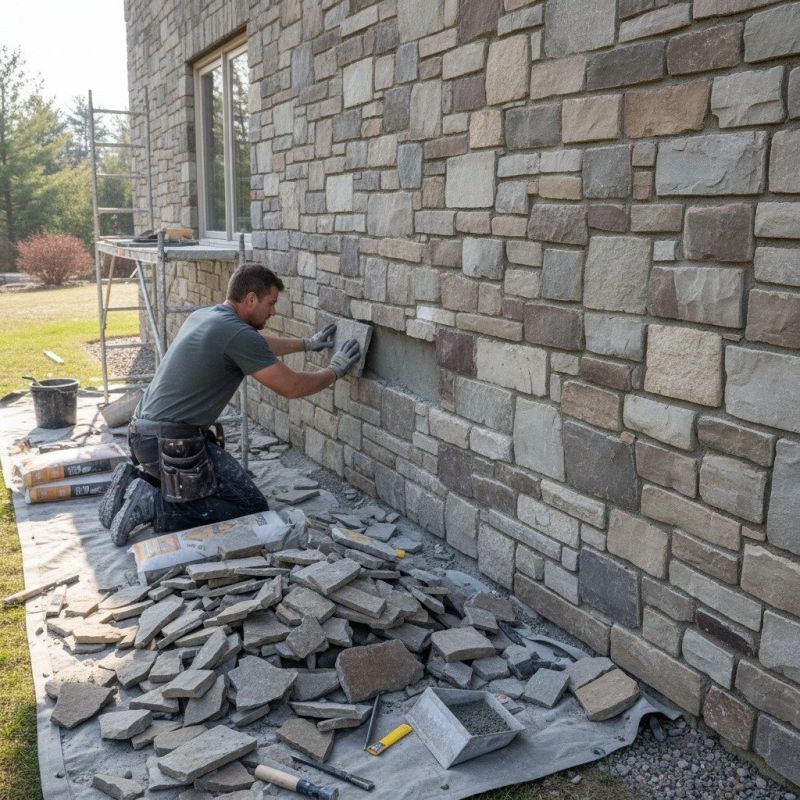
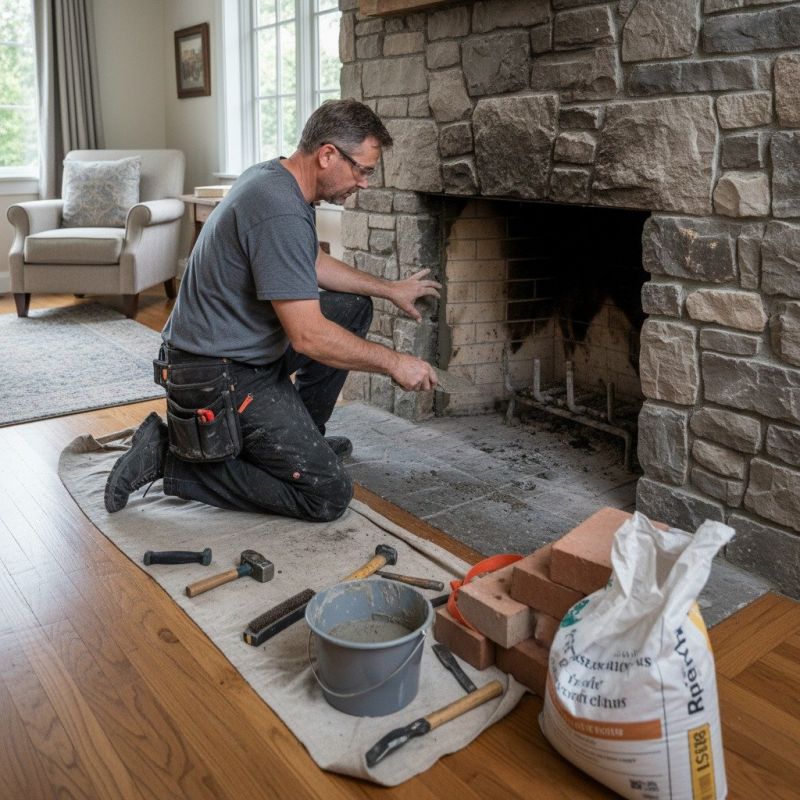
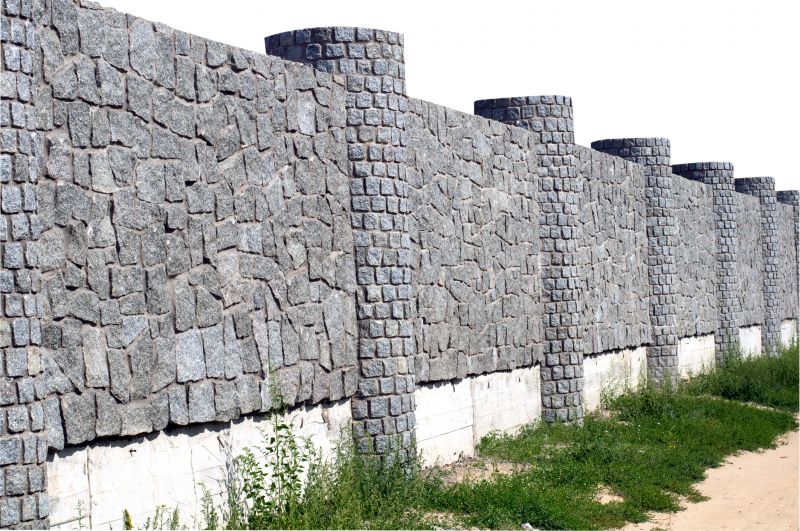
When people search for how weather exposure affects stone masonry structures, they are often trying to understand how environmental conditions impact the durability and appearance of their stone features. This topic commonly comes up in discussions about maintaining or restoring older buildings, retaining walls, or decorative stonework that has been exposed to the elements over time. Homeowners may notice signs of deterioration such as cracking, spalling, or discoloration and want to know what causes these issues. Understanding the relationship between weather patterns and stone materials helps homeowners identify potential problems early and plan appropriate repairs or preservation efforts.
The problems linked to weather exposure in stone masonry include moisture infiltration, freeze-thaw damage, and surface erosion. When moisture seeps into the stone or mortar joints, it can lead to weakening of the structure, especially if freezing temperatures cause the water to expand and create internal stress. Over time, this can result in cracking or crumbling of the stone. Additionally, exposure to rain, snow, and wind can accelerate surface erosion, leading to a loss of detail and aesthetic appeal. Homeowners often consider repair or reinforcement plans to address these issues, which require the expertise of experienced stone masonry repair contractors who understand how weather impacts different types of stone and the best methods for preservation.
Certain properties tend to be more affected by weather exposure than others. Structures made with softer stones such as limestone or sandstone are particularly vulnerable because these materials are more porous and absorbent. Masonry that is not properly sealed or maintained can suffer from faster deterioration when exposed to moisture. Additionally, outdoor features like garden walls, chimneys, or monument-grade stonework are regularly subjected to the elements, making them more prone to weather-related damage. Homeowners with historic or decorative stone features often seek the assistance of local contractors who can assess the specific risks based on the property's location, stone type, and existing condition, ensuring that repairs are suitable for the environmental challenges faced.
Understanding how weather exposure affects stone masonry structures helps homeowners make informed decisions about maintenance and repairs. When signs of weather-related damage appear, such as cracking or surface erosion, consulting with experienced local service providers can lead to effective solutions. These professionals can evaluate the condition of the stonework, recommend appropriate repair techniques, and suggest protective measures to extend the lifespan of the structure. Recognizing the connection between environmental factors and stone deterioration is essential for planning long-term preservation and ensuring that outdoor stone features remain stable and visually appealing despite ongoing weather challenges.
Historic Building Restoration - specialists in restoring historic stone structures understand how weather exposure impacts masonry integrity and can provide tailored repairs to preserve the original appearance and durability.
Brick and Masonry Repair - experienced contractors skilled in repairing weather-damaged brick and stonework can address issues caused by moisture infiltration and erosion.
Waterproofing and Sealant Application - local service providers offering waterproofing solutions help protect stone masonry from weather-related damage and prolong its lifespan.
Stone Cleaning and Surface Treatment - professionals trained in cleaning techniques remove dirt and biological growth that can accelerate weathering of stone structures.
Structural Reinforcement Services - contractors capable of reinforcing weakened masonry structures due to weather-induced deterioration ensure stability and safety.
Cultural Heritage Preservation - specialists in preserving stone monuments and sculptures understand how weather exposure affects their condition and can recommend appropriate conservation efforts.
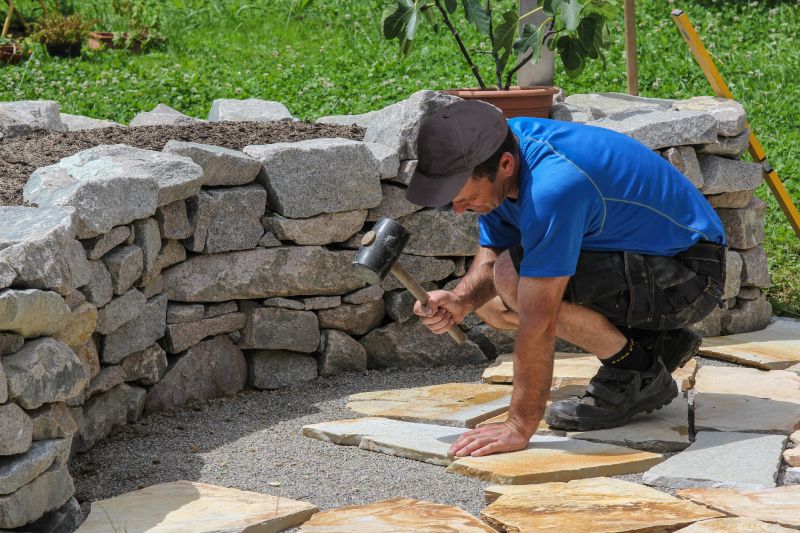
When evaluating stone masonry repair services, it is important to consider the experience of local contractors with projects similar to your own. A contractor who has successfully handled structures exposed to comparable weather conditions will be more familiar with the specific challenges that weather exposure can cause, such as erosion, cracking, or deterioration of the stone. Asking for details about past work involving weather-related issues can help ensure that the service provider has relevant expertise, which is a key factor in achieving durable and effective repairs.
Clear written expectations are essential when comparing local service providers for stone masonry repair. A detailed scope of work, including the methods to address weather-related damage and the types of materials to be used, helps prevent misunderstandings and sets a foundation for quality results. It also allows homeowners to compare how well each contractor understands the specific needs of structures affected by weather exposure, ensuring that the repair approach aligns with the unique demands of the environment.
Reputable references and good communication are indicators of a trustworthy service provider. Contacting previous clients can provide insights into the contractor’s ability to handle weather-related challenges and deliver consistent results. Additionally, a contractor who communicates clearly and promptly demonstrates professionalism and a commitment to keeping homeowners informed throughout the project. These qualities are especially valuable when dealing with weather exposure issues, as ongoing updates can help manage expectations and ensure that the repair work effectively addresses the vulnerabilities caused by the environment.
Property owners often search for how weather exposure affects stone masonry structures when they are planning practical projects around their homes and businesses. Local pros provide Stone Masonry Repair services for everyday jobs and straightforward project options.
Weather exposure can have a significant impact on stone masonry structures, especially in areas where conditions fluctuate frequently. Over time, moisture from rain, snow, or humidity can seep into the stone, leading to deterioration such as cracking, spalling, or weakening of the mortar joints. Temperature changes can cause expansion and contraction in the stone, which may result in surface erosion or structural instability if not properly addressed. Property owners noticing signs of weather-related damage often seek the expertise of local contractors who specialize in stone masonry repair to preserve the integrity and appearance of their structures.
Understanding how weather exposure affects stone masonry structures helps property owners recognize when maintenance or repairs are needed. Local service providers can assess the extent of weather-related damage and recommend appropriate solutions to prevent further deterioration. Regular inspections and timely repairs from experienced contractors can help maintain the durability of stone features, ensuring they withstand the effects of weather over time. For those concerned about their stonework’s resilience, connecting with local pros offers a practical way to protect and restore these valuable structures.
How does weather exposure impact stone masonry structures? Weather exposure can cause deterioration in stone masonry by leading to moisture infiltration, freeze-thaw damage, and surface erosion. Local contractors can assess and repair these issues to preserve the integrity of the structure.
What types of weather-related damage are common in stone masonry? Common weather-related damages include cracking from freeze-thaw cycles, efflorescence from moisture, and surface spalling. Skilled service providers can identify and address these problems effectively.
How can weather exposure lead to structural instability in stone masonry? Continuous exposure to moisture and temperature fluctuations can weaken mortar joints and stone units, potentially causing shifting or instability. Local pros can reinforce and restore the structure to prevent further issues.
What maintenance practices can help protect stone masonry from weather damage? Regular inspections, repointing mortar joints, and applying protective sealants can reduce weather-related deterioration. Local service providers can perform these maintenance tasks to extend the lifespan of stone structures.
Why should I consider professional repair services for weather-related damage? Professional repair services have the expertise to properly assess weather exposure effects, perform necessary repairs, and help ensure the durability of stone masonry structures against future weather challenges.
Assessing Weather Impact - Property owners can evaluate how exposure to rain, snow, or sun may cause deterioration in stone masonry and plan for repairs with local contractors.
Choosing Protective Treatments - Applying sealants or water-repellent coatings can help mitigate weather-related damage, and local pros can assist with proper application.
Designing for Drainage - Incorporating effective drainage solutions can reduce water accumulation around stone structures, with local contractors providing expert advice.
Regular Inspection and Maintenance - Scheduling inspections to monitor weather-related wear allows property owners to address issues early with the help of local masonry repair specialists.
If you are thinking about how weather exposure affects stone masonry structures for a property, this guide is meant to help you understand this topic, the typical project types, and how different options might fit your plans.
When you are ready, you can use the quote form on this page to share a few details about your project. From there, local pros can review the basics and follow up with options that match what you have in mind.